

| LCDF Pvt. Ltd.
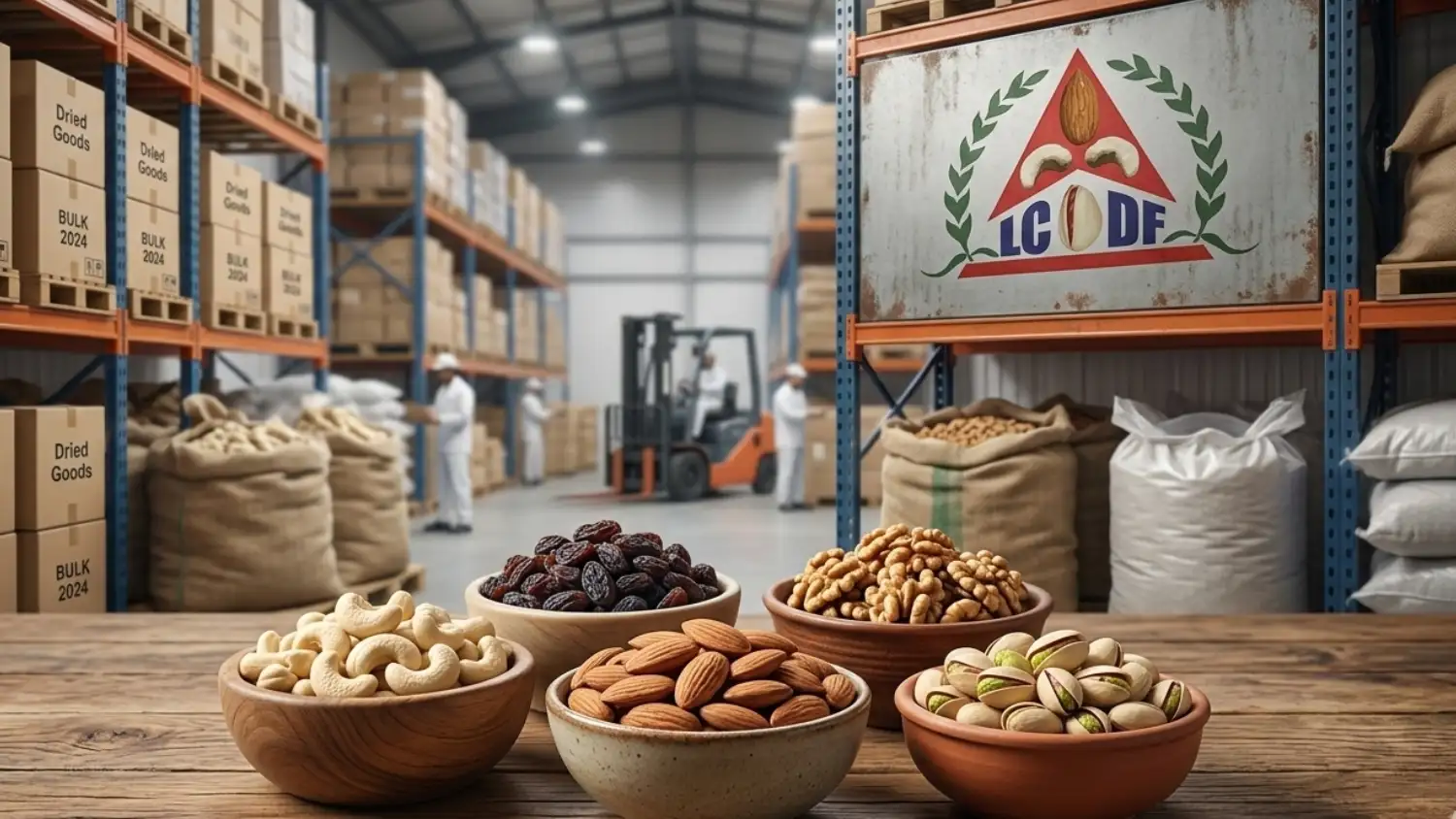
Dry fruits are widely consumed for their nutrition, taste, and versatility. Whether they are used for daily snacking, festive gifting, or food preparation, the quality of dry fruits plays a significant role in the overall experience. But behind every good pack of almonds, cashews, pistachios, or raisins is a supply chain that ensures those products reach consumers in the best possible condition.
This is where professional dry fruit suppliers make a difference. While many traders may sell dry fruits, professional suppliers follow structured processes to maintain quality, consistency, and trust. Their approach goes beyond simple buying and selling. It involves careful sourcing, strict quality checks, proper storage, and reliable distribution.
Understanding what sets professional dry fruit suppliers apart can help businesses and consumers make better purchasing decisions.
The Importance of Reliable Dry Fruit Suppliers
Dry fruits are natural products that are sensitive to moisture, temperature, and storage conditions. Poor handling can quickly affect their taste, texture, and shelf life.
Professional dry fruit suppliers ensure that products are managed carefully throughout the supply chain. Their role is not just to deliver dry fruits but to maintain their freshness, safety, and nutritional value.
Reliable suppliers help ensure:
- Consistent product quality
- Proper food safety practices
- Reliable supply throughout the year
- Transparent sourcing and grading
These factors are especially important for retailers, food manufacturers, and large buyers who depend on steady quality.
Strong Sourcing Networks
One of the biggest strengths of professional dry fruit suppliers is their sourcing network.
High-quality dry fruits often come from specific regions known for their produce. For example:
- Almonds from California
- Pistachios from Iran or the USA
- Cashews from Vietnam or India
- Raisins from Turkey or Afghanistan
Professional suppliers build long-term relationships with farmers, growers, and processors in these regions. This allows them to maintain a consistent supply of high-quality products.
A strong sourcing network also ensures:
- Authentic origin of products
- Access to premium harvests
- Reliable availability during seasonal fluctuations
Strict Quality Control
Quality control is a key factor that separates professional suppliers from ordinary traders.
Dry fruits are typically inspected at multiple stages before reaching the customer.
Quality checks may include:
- Visual inspection for color and size
- Sorting based on grade
- Checking for broken or damaged pieces
- Monitoring moisture levels
Many professional suppliers also use advanced equipment such as optical sorters and metal detectors to ensure product safety.
These processes help maintain product consistency and reduce the chances of contamination.
Proper Grading and Standardization
Professional dry fruit suppliers follow clear grading systems.
Grading helps categorize dry fruits based on characteristics such as:
- Size
- Shape
- Color
- Texture
- Level of breakage
For example, cashews are often graded into whole kernels, splits, and pieces. Similarly, almonds and pistachios may be sorted by size or variety.
Standardized grading ensures that buyers know exactly what they are receiving. This transparency builds trust and simplifies purchasing decisions.
Hygienic Storage Facilities
Storage conditions are critical for maintaining the freshness of dry fruits.
Professional suppliers invest in well-maintained storage facilities designed to protect products from:
- Moisture
- Heat
- Pests
- Contamination
These warehouses often maintain controlled temperature and humidity levels to extend shelf life.
Good storage practices also include:
- Clean and sanitized environments
- Proper stacking and ventilation
- Regular monitoring for quality
Without these precautions, dry fruits can lose their flavor or develop spoilage.
Efficient Packaging Solutions
Packaging plays an important role in preserving dry fruit quality.
Professional suppliers use packaging materials that protect the product from external factors such as air, light, and moisture.
Common packaging methods include:
- Vacuum-sealed packs
- Nitrogen-flushed packaging
- Airtight containers
These packaging techniques help maintain freshness, prevent oxidation, and extend shelf life.
Clear labeling is also an important part of professional packaging. Labels typically include product details such as origin, grade, weight, and storage instructions.
Reliable Logistics and Distribution
Another key feature of professional dry fruit suppliers is efficient logistics.
Dry fruits often travel long distances from farms to processing centers and finally to retailers or consumers. Proper transportation ensures the product remains fresh throughout this journey.
Professional suppliers manage logistics by:
- Using secure transportation systems
- Protecting products from extreme temperatures
- Maintaining proper handling procedures
Reliable distribution networks also help ensure timely delivery and consistent availability.
Transparency and Traceability
Modern consumers and businesses increasingly value transparency.
Professional dry fruit suppliers provide clear information about their products, including:
- Country of origin
- Processing methods
- Quality grades
- Storage recommendations
Traceability allows buyers to track where the product came from and how it was handled.
This level of openness builds confidence and strengthens long-term relationships between suppliers and buyers.
Focus on Long-Term Relationships
Professional suppliers prioritize long-term partnerships rather than one-time transactions.
They work closely with:
- Retailers
- Distributors
- Food manufacturers
- Hospitality businesses
By maintaining consistent quality and reliable service, they build trust with their clients.
Long-term relationships also allow suppliers to understand customer preferences and tailor their offerings accordingly.
Adaptation to Changing Consumer Preferences
The dry fruit industry is evolving as consumers become more health-conscious and quality-focused.
Professional suppliers respond to these trends by offering products such as:
- Raw and lightly roasted dry fruits
- Unsalted options
- Mixed nut blends
- Portion-controlled packaging
They also stay updated with food safety regulations and industry standards.
This adaptability ensures they remain relevant in a competitive market.
Why Professional Suppliers Matter to Consumers
Although most consumers purchase dry fruits from retailers or online stores, the work of professional suppliers directly affects the final product.
When suppliers maintain high standards, consumers benefit from:
- Better taste and texture
- Safer food products
- Longer shelf life
- Consistent quality across purchases
In short, professional suppliers play a crucial role in delivering reliable dry fruit products to the market.
Final Thoughts
Dry fruits may seem like simple products, but ensuring their quality requires careful management at every stage of the supply chain. Professional dry fruit suppliers stand out because they focus on sourcing, quality control, proper storage, efficient logistics, and transparent practices.
Their expertise ensures that the dry fruits reaching consumers are fresh, safe, and high in quality. For businesses and customers alike, choosing products backed by reliable suppliers makes a meaningful difference.
Understanding what sets professional dry fruit suppliers apart not only highlights the complexity behind these everyday foods but also reinforces the importance of trust and quality in the dry fruit industry.
Author

LCDF Pvt. Ltd.
Lake City Dry Fruits Pvt. Ltd. has been a pioneer in the dry fruits and spices industry for over 60+ years. From humble beginnings in Udaipur to a pan-India presence, we’ve built a reputation for sourcing the best global produce, ensuring uncompromising quality at every step.