

| LCDF Pvt. Ltd.
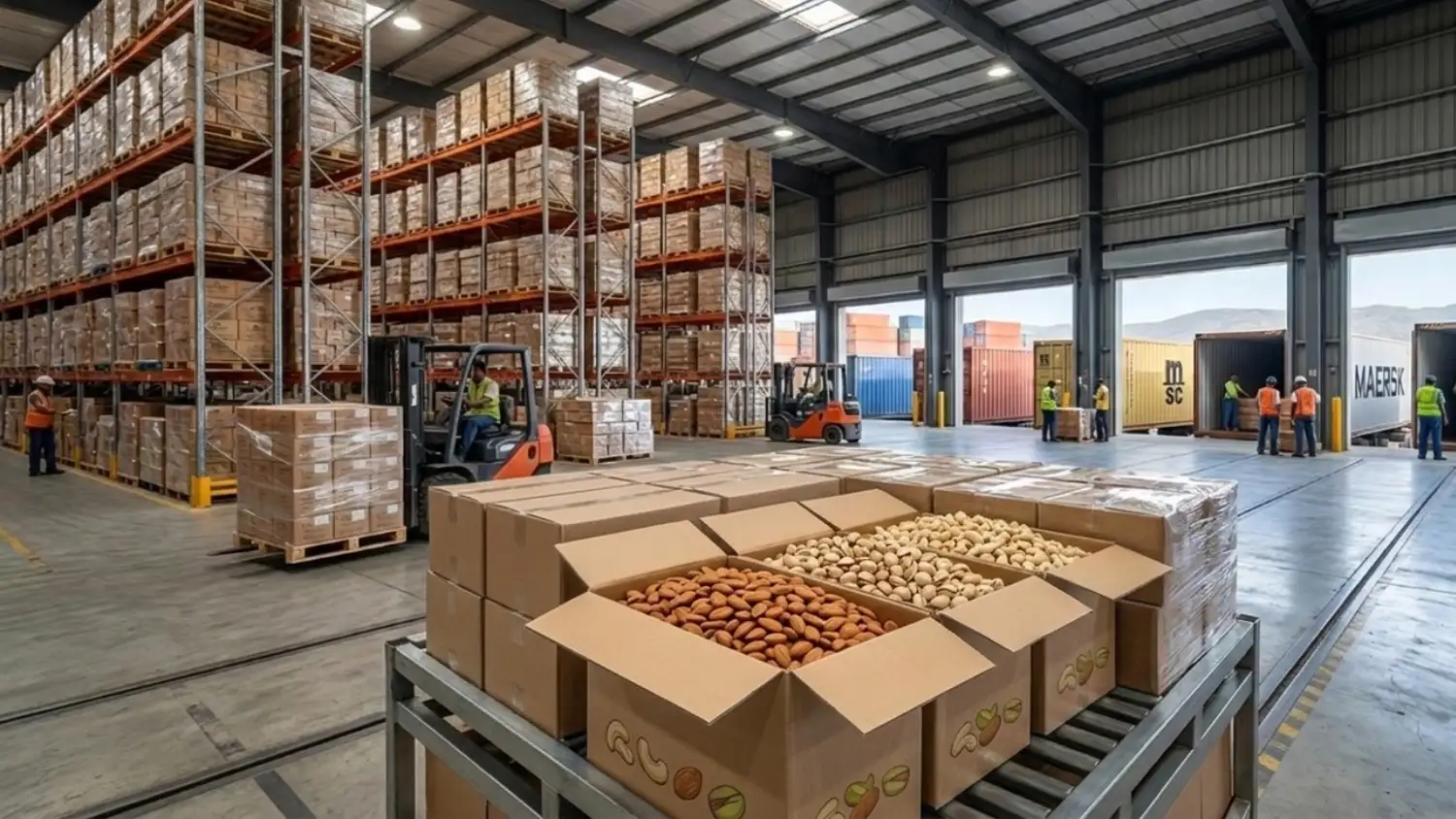
India has long been associated with rich agricultural diversity, and dry fruits are an important part of that legacy. From the premium almonds used in festive sweets to the world-famous pistachios and cashews exported across continents, Indian dry fruits continue to gain strong recognition in global markets.
But what exactly makes Indian dry fruits so competitive internationally? The answer lies in a combination of favorable geography, advanced processing capabilities, quality standards, and strong supply chains. In this blog, we explore the key factors that help Indian dry fruits stand out in global trade and why international buyers increasingly trust Indian suppliers.
India’s Favorable Climate for Dry Fruit Production
One of the biggest advantages India has is its diverse climate and geography. Different regions across the country offer ideal conditions for cultivating various dry fruits.
Some notable examples include:
- Kashmir and Himachal Pradesh – Known for high-quality walnuts and almonds
- Maharashtra, Goa, and Kerala – Major regions for cashew processing
- Rajasthan and Gujarat – Important trading hubs for imported and processed dry fruits
The varied climates allow India to grow, process, and distribute a wide range of dry fruits efficiently. This natural advantage helps maintain consistent supply and quality for domestic consumption and international exports.
Strong Cashew Processing Industry
India is globally recognized for its expertise in cashew processing, which plays a major role in the country’s competitiveness.
The cashew industry has developed sophisticated systems that combine skilled manual sorting with modern technology to ensure high-quality kernels. Indian processors are known for:
- Precise grading systems
- Careful shelling and peeling techniques
- Strict quality control during processing
- Consistent packaging standards
Because of this attention to detail, Indian cashews are highly valued in markets across the United States, Europe, and the Middle East.
Expertise in Quality Grading and Sorting
International buyers demand consistency, and Indian dry fruit suppliers have built a reputation for delivering exactly that.
Dry fruits are typically graded based on factors such as:
- Size and uniformity
- Color and appearance
- Moisture content
- Broken or damaged pieces
Advanced sorting technologies, along with trained workers, help ensure that only premium-quality products reach export markets. This precise grading system allows buyers to confidently select products that match their specifications.
Strong Supply Chain and Distribution Network
India’s dry fruit industry benefits from an extensive supply chain that connects farmers, processors, traders, and exporters.
Key wholesale markets such as Mumbai, Delhi, and Ahmedabad act as major distribution hubs. From these markets, dry fruits are sorted, packaged, and shipped to different parts of the world.
Efficient logistics networks help maintain:
- Timely deliveries
- Large-volume exports
- Consistent product availability
This strong infrastructure allows Indian exporters to handle both small and large international orders smoothly.
Competitive Pricing with Quality Assurance
Another factor that makes Indian dry fruits attractive globally is the balance between competitive pricing and reliable quality.
India benefits from:
- Lower processing costs compared to many developed countries
- Skilled labor for careful handling and grading
- Large-scale processing facilities
These advantages allow exporters to offer high-quality products at prices that remain competitive in international markets.
For importers, this combination of value and quality makes Indian dry fruits a reliable sourcing option.
Growing Focus on Food Safety and Certifications
Global food trade requires strict compliance with international standards. Indian dry fruit exporters have increasingly invested in certifications and safety practices to meet these requirements.
Common certifications include:
- FSSAI compliance for food safety
- ISO standards for quality management
- HACCP certification for food safety systems
- Export inspection approvals
These certifications assure global buyers that Indian dry fruits meet international health, hygiene, and safety standards.
Innovation in Packaging and Shelf Life
Packaging plays a major role in international food trade. Indian exporters have significantly improved packaging techniques to ensure dry fruits maintain freshness during long-distance shipping.
Modern packaging solutions include:
- Vacuum sealing
- Nitrogen-flushed packs
- Moisture-resistant packaging
- Durable export cartons
These methods help preserve flavor, texture, and nutritional quality while preventing contamination or spoilage during transit.
Strong Global Demand for Indian Cashews
Among all dry fruits, cashews remain one of India’s biggest export strengths. Indian cashews are widely recognized for their taste, size, and processing quality.
Many international buyers prefer Indian cashews because they are:
- Uniform in size and color
- Carefully hand-processed
- Available in multiple grades
- Consistent in taste and texture
This reputation has helped India maintain a strong presence in the global cashew market for decades.
Trusted Relationships with International Buyers
Another factor that strengthens India’s global competitiveness is long-standing relationships with international importers.
Many exporters have been supplying the same buyers for years, building trust through:
- Consistent product quality
- Transparent pricing
- Reliable shipping schedules
- Clear communication
Such long-term partnerships are essential in global food trade, where reliability often matters as much as price.
Growing Domestic Brands with Global Vision
In recent years, Indian dry fruit brands have started building stronger identities not just domestically but internationally as well.
Modern brands focus on:
- Premium packaging
- Quality assurance
- Direct-to-consumer sales
- Online global distribution
This shift is helping Indian companies move beyond bulk exports toward building recognizable brands in international markets.
Conclusion
India’s competitiveness in the international dry fruits market is not based on just one factor. Instead, it is the result of multiple strengths working together — favorable climate, skilled processing, strong supply chains, competitive pricing, and growing quality standards.
With continued investment in technology, certifications, and branding, Indian dry fruit suppliers are well positioned to expand their global presence even further. For international buyers seeking quality, consistency, and reliability, India remains one of the most trusted sources for premium dry fruits.
As global demand for healthy and natural foods continues to rise, Indian dry fruits are set to play an even bigger role in kitchens and markets around the world.
Author

LCDF Pvt. Ltd.
Lake City Dry Fruits Pvt. Ltd. has been a pioneer in the dry fruits and spices industry for over 60+ years. From humble beginnings in Udaipur to a pan-India presence, we’ve built a reputation for sourcing the best global produce, ensuring uncompromising quality at every step.