

| LCDF Pvt. Ltd.
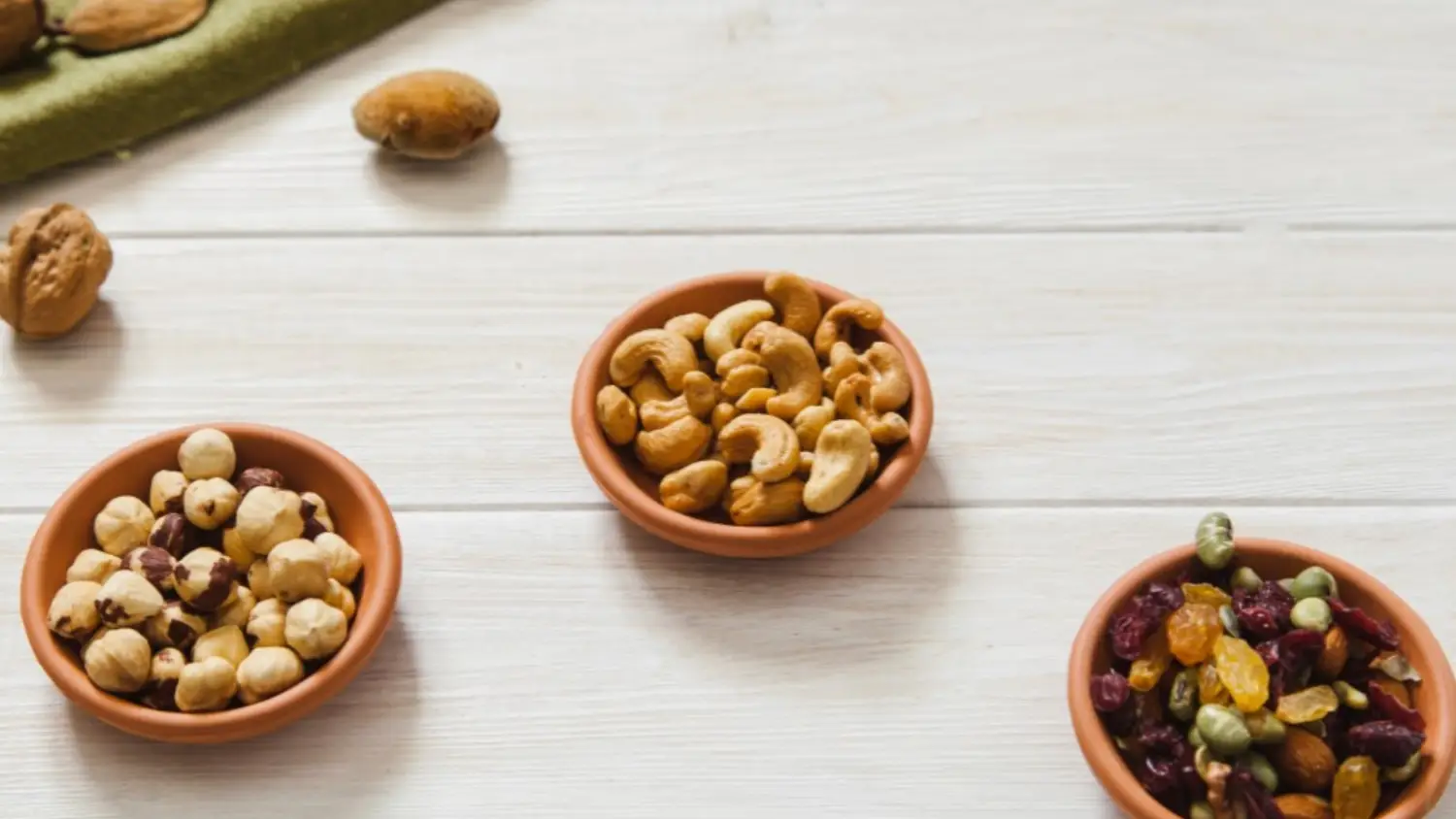
From high-protein snacking to global supply chain disruption, the dry fruit trade is undergoing rapid change. For buyers, suppliers, and processors alike, navigating this landscape isn’t just about reacting to demand—it’s about forecasting what comes next.
At Lake City Dry Fruits Pvt. Ltd. (LCDF), understanding these shifts is essential to staying competitive, relevant, and prepared. Here’s what the future of dry fruit trade looks like—and how LCDF is staying ahead.
1. Health Trends Will Continue to Drive Growth
Consumers are moving steadily toward:
- Clean labels
- High-protein and low-carb snacks
- Natural, unprocessed foods
- Immune-boosting ingredients
Dry fruits like almonds, pistachios, walnuts, and figs sit at the heart of this shift. Whether used in snack bars, granola, or consumed raw, they tick every wellness box.
LCDF’s Strategy:
- Invest in value-added products like vacuum-packed, roasted, or flavored variants
- Educate buyers through content about protein, fiber, and micronutrient value
2. Volatility in Global Supply Chains is Here to Stay
The pandemic, wars, and climate disruptions have created longer lead times and erratic pricing. For dry fruits, this means:
- Higher freight costs
- Seasonal unpredictability
- More frequent price corrections
LCDF’s Strategy:
- Build long-term contracts with growers and exporters
- Use staggered shipping schedules to avoid single-point disruption
- Maintain buffer stock for high-demand SKUs
3. Sourcing Will Move Toward Relationships Over Spot Markets
Buyers no longer want just the lowest rate. They want reliability, transparency, and predictability. That means suppliers who:
- Share crop insights early
- Offer traceability
- Invest in quality
LCDF’s Strategy:
- Work only with vetted and consistent suppliers across the USA, Iran, Chile, Turkey, and Afghanistan
- Attend sourcing expos and build relationship-driven supply chains
4. Regulatory Scrutiny Will Get Stricter
Food safety laws in India and abroad are tightening. Dry fruits, especially those imported, face:
- Aflatoxin and pesticide checks
- Label compliance and FSSAI audits
- Higher documentation needs for exports
LCDF’s Strategy:
- Maintain internal labs and QC teams
- Follow batch traceability and retain all import/export records
- Train internal staff in compliance procedures
5. Domestic Demand from Tier 2/3 Cities Will Surge
India’s growing middle class is looking beyond basic staples. Dry fruits are becoming household essentials, not just luxury items.
LCDF’s Strategy:
- Strengthen regional distributor networks
- Offer product formats and pricing tailored to semi-urban consumers
- Combine bulk flexibility with packaged retail under the 20-20 brand
6. Technology Will Enable Smarter Buying & Selling
From farm to warehouse, digitisation is driving real-time decisions:
- Smarter inventory management
- Forecasting tools to manage price dips or spikes
- Data-driven SKU performance tracking
LCDF’s Strategy:
- Invest in warehouse and processing software
- Automate repetitive QC and packaging steps
- Use demand forecasting to align imports
7. Sustainability Will Become Non-Negotiable
Conscious consumers and corporate buyers are pushing for:
- Recyclable packaging
- Fair-trade sourcing
- Low-energy production practices
LCDF’s Strategy:
- Explore paper-based and compostable packaging for 20-20
- Support growers using drip irrigation or sustainable practices
- Reduce plastic use in B2B shipments
Final Word
The future of the dry fruit trade isn’t just about who sources the best almonds. It’s about who adapts fastest, builds trust, and delivers consistent quality amid uncertainty.
LCDF’s approach is clear: anticipate change, invest in relationships, and make every pack reflect strategy, not just commodity.
Because in the next decade, success in dry fruits won’t come from reacting to the market. It will come from understanding it first.
Author

LCDF Pvt. Ltd.
Lake City Dry Fruits Pvt. Ltd. has been a pioneer in the dry fruits and spices industry for over 60+ years. From humble beginnings in Udaipur to a pan-India presence, we’ve built a reputation for sourcing the best global produce, ensuring uncompromising quality at every step.