

| LCDF Pvt. Ltd.
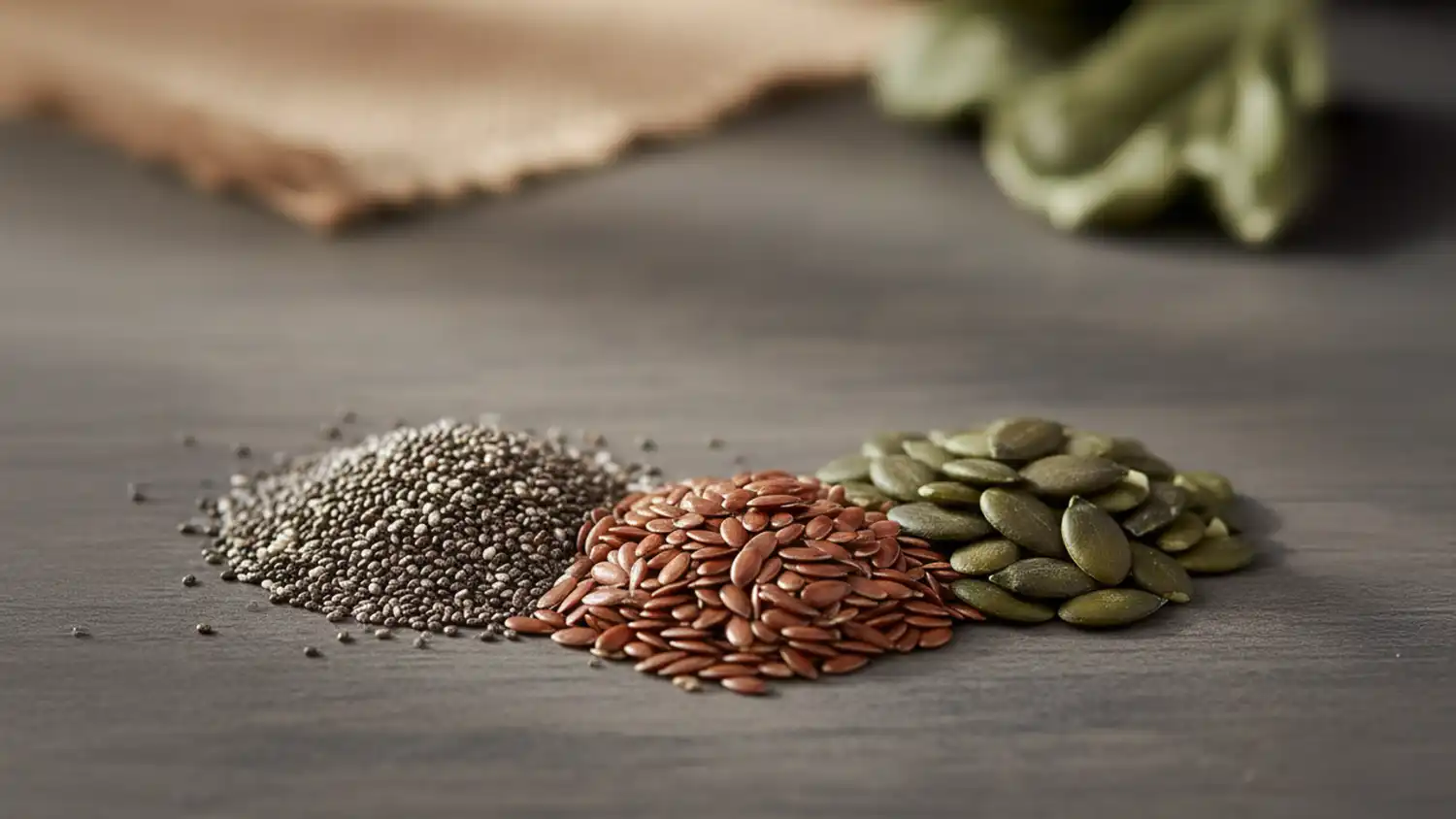
Small Ingredients, Big Shift in Eating Habits
Not very long ago, seeds were treated as background ingredients. They were something you noticed only if you looked closely at multigrain bread or health cereal packaging. Today, that has completely changed. Chia seeds, flax seeds, and pumpkin seeds are now front and center in conversations around nutrition, fitness, and mindful eating. From smoothie bowls and breakfast jars to salads and snack mixes, seeds have become a daily essential for many people.
This growing demand is not accidental. It reflects a deeper shift in how people think about food. Modern consumers are no longer eating just to feel full. They are eating to feel better, stay active, manage stress, and avoid lifestyle-related health problems. Seeds fit perfectly into this mindset because they are natural, minimally processed, and packed with nutrients. In small quantities, they offer benefits that align with today’s focus on long-term wellness rather than quick fixes.
Why Seeds Are Gaining Attention Worldwide
One of the biggest reasons seeds are growing in demand is the rise of preventive health awareness. People are increasingly interested in foods that support digestion, heart health, immunity, and energy levels before problems arise. Seeds are rich in fiber, healthy fats, and plant-based protein, which makes them a powerful addition to everyday meals without requiring drastic dietary changes.
Another major factor is the popularity of plant-based and clean diets. As more people reduce their dependence on animal-based products, they are actively seeking plant-derived sources of essential nutrients. Seeds naturally fill this gap. They provide omega fatty acids, minerals, and protein while being easy to digest and suitable for vegetarian and vegan diets.
Convenience also plays a role. Seeds are easy to store, have a long shelf life, and can be added to almost anything without altering the core taste of the dish. This combination of nutrition, flexibility, and ease has helped seeds move from specialty health stores into mainstream kitchens.
Chia Seeds: A Modern Superfood for Everyday Use
Chia seeds have gained immense popularity in recent years, especially among fitness enthusiasts and health-conscious consumers. Their most distinctive feature is their ability to absorb liquid and form a gel-like texture. This quality makes them particularly effective for hydration and digestion, which are two areas of growing concern in modern lifestyles.
Nutritionally, chia seeds are known for their high fiber content, which helps promote a healthy digestive system and keeps you feeling full for longer periods. They are also a rich source of omega-3 fatty acids, which support heart health and brain function. The presence of plant-based protein further adds to their appeal, especially for people looking to balance their macronutrient intake naturally.
Chia seeds are often consumed soaked in water, milk, or smoothies, making them easy to incorporate into breakfast routines. Their mild taste allows them to blend effortlessly into different foods, which is why they are commonly used in health drinks, breakfast bowls, and wellness-focused packaged products. As awareness around hydration and gut health increases, the demand for chia seeds continues to rise steadily.
Flax Seeds: Tradition Backed by Modern Nutrition
Flax seeds, also known as linseeds, have been part of traditional diets for generations. What has changed is the renewed scientific interest in their nutritional value. Today, flax seeds are widely recognized for their role in supporting digestion, heart health, and hormonal balance.
Flax seeds are particularly rich in dietary fiber, which helps regulate bowel movements and supports gut health. They also contain omega-3 fatty acids, making them beneficial for maintaining healthy cholesterol levels and supporting cardiovascular function. Additionally, flax seeds are valued for their antioxidant properties, which help protect the body from oxidative stress.
In Indian households, flax seeds are easy to incorporate into everyday meals. They can be roasted, ground, and added to rotis, chutneys, or snacks without much effort. Their affordability and familiarity make them accessible to a wide range of consumers. As people become more conscious of digestive health and natural nutrition, flax seeds are regaining their place as a daily dietary staple.
Pumpkin Seeds: Protein, Minerals, and Modern Nutrition
Pumpkin seeds stand out among seeds for their impressive protein and mineral content. They are especially popular among people who follow active lifestyles, including athletes and gym-goers. Unlike many plant-based foods, pumpkin seeds offer a dense nutritional profile that supports muscle function, recovery, and overall energy.
These seeds are rich in essential minerals such as magnesium and zinc, which play a vital role in immunity, muscle health, and metabolic function. Pumpkin seeds are also known to support better sleep quality and sustained energy levels, making them a preferred snack choice for people looking to replace processed foods with healthier alternatives.
Their slightly nutty flavor and crunchy texture make pumpkin seeds enjoyable to eat on their own or as part of meals. They are often roasted, added to salads, mixed into granola, or used as toppings for soups and bowls. As protein-rich, plant-based foods gain popularity, pumpkin seeds are becoming an important part of modern diets.
Seeds in the Future of Food
Beyond home kitchens, seeds are increasingly being used as functional ingredients in the food industry. Many brands are incorporating chia, flax, and pumpkin seeds into energy bars, multigrain breads, breakfast cereals, and ready-to-eat snacks. This reflects a growing demand for foods that offer nutritional benefits along with convenience.
Seeds also align well with the clean-label movement. Consumers today prefer ingredients they recognize and trust, and seeds naturally meet this expectation. They are simple, familiar, and associated with health rather than heavy processing. As awareness around nutrition continues to grow, seeds are likely to remain a key component of both traditional and modern diets.
Why Seeds Are Here to Stay
The rising demand for chia, flax, and pumpkin seeds is part of a larger shift toward mindful eating and preventive health. These seeds prove that powerful nutrition does not need to come from complicated or artificial sources. In small quantities, they deliver fiber, healthy fats, protein, and essential minerals that support overall well-being.
As people continue to seek natural ways to improve their health, seeds will remain more than just a trend. They represent a return to simple, functional foods that fit seamlessly into everyday life.
Author

LCDF Pvt. Ltd.
Lake City Dry Fruits Pvt. Ltd. has been a pioneer in the dry fruits and spices industry for over 60+ years. From humble beginnings in Udaipur to a pan-India presence, we’ve built a reputation for sourcing the best global produce, ensuring uncompromising quality at every step.