

| LCDF Pvt. Ltd.
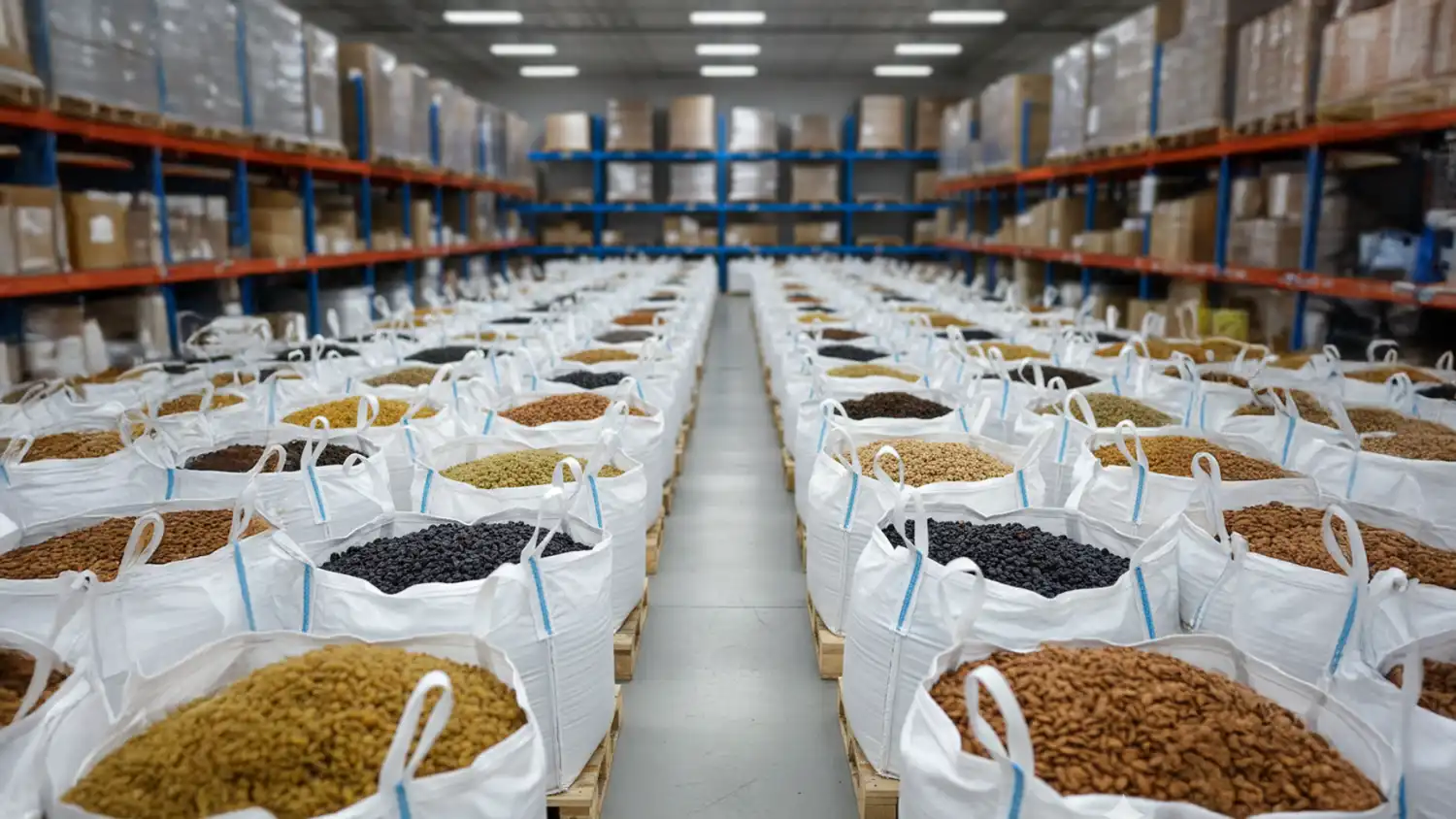
Preserving Quality Beyond the Harvest
The quality of dry fruits does not depend solely on how they are grown or harvested. What happens after harvest plays an equally important role in determining shelf life, taste, and nutritional value. Among the many factors that affect dry fruit quality, moisture, temperature, and time stand out as the most critical.
If not managed carefully, these three elements can silently degrade dry fruits, leading to loss of flavor, texture, and safety. Understanding their impact is essential for suppliers, exporters, and consumers alike.
Moisture: The Silent Spoiler
Moisture is one of the most damaging factors for dry fruits. Even a small increase in moisture content can create the perfect environment for mold growth and microbial activity. This not only affects taste and texture but also poses serious food safety risks.
Controlling moisture requires precise drying techniques and proper packaging. Reliable suppliers monitor moisture levels throughout processing and storage to ensure they remain within safe limits. Protective packaging materials further prevent moisture absorption during transit and storage.
Temperature: The Hidden Threat in Storage and Transit
Temperature fluctuations can significantly affect the quality of dry fruits. Excessive heat can cause oils in nuts to turn rancid, while extreme cold can alter texture and reduce shelf life. During transportation, exposure to high temperatures is particularly common, especially in long-distance exports.
To combat this, professional suppliers use temperature-controlled storage facilities and carefully planned shipping routes. Monitoring systems help track temperature conditions in real time, ensuring that dry fruits remain stable from origin to destination.
Time: Quality Degradation Over Periods
Even under ideal conditions, dry fruits are not immune to the effects of time. Prolonged storage can lead to gradual loss of flavor, changes in texture, and reduced nutritional value. The longer a product sits in storage, the higher the risk of quality decline.
Efficient inventory management plays a key role in addressing this challenge. Trusted suppliers follow first-in, first-out practices and maintain optimized supply chains to reduce unnecessary storage periods. This ensures fresher products reach consumers faster.
The Combined Impact on Shelf Life and Safety
When moisture, temperature, and time interact, their combined effect can be far more damaging than any single factor alone. Poor storage conditions over extended periods can quickly render dry fruits unsuitable for consumption.
This is why quality-focused suppliers treat these three factors as interconnected risks rather than isolated issues. By managing them together, they preserve both safety and sensory quality.
Protecting Quality Through Control and Expertise
Moisture, temperature, and time may be invisible, but their impact on dry fruit quality is significant. Managing these elements requires expertise, infrastructure, and constant monitoring. Suppliers who understand and control these factors are better equipped to deliver dry fruits that retain their freshness, flavor, and nutritional value. In a competitive market, quality preservation is not optional—it is essential.
Author

LCDF Pvt. Ltd.
Lake City Dry Fruits Pvt. Ltd. has been a pioneer in the dry fruits and spices industry for over 60+ years. From humble beginnings in Udaipur to a pan-India presence, we’ve built a reputation for sourcing the best global produce, ensuring uncompromising quality at every step.